Unlocking Fun: Why Puzzle Games Are the Secret to Boosting Your Brain Power
In an era where mental agility is more valuable than ever, puzzle games have emerged as both a popular pastime and a tool for cognitive enhancement. This article dives into the unique benefits of engaging with puzzle games and how they can unlock greater brain power.
What Are Puzzle Games?
Puzzle games encompass a variety of formats, each designed to sharpen specific cognitive skills. They can range from jigsaw puzzles to logic puzzles, word games, and more. Their common objective is to challenge players to think critically and solve problems.
The Cognitive Benefits of Puzzle Games

Playing puzzle games isn't just fun; they come with a treasure trove of cognitive benefits. Research in neuroscience suggests that engaging in these mental challenges can improve various functions of the brain.
- Enhances Memory: Regularly playing these games can help improve short-term memory and boost recall capabilities.
- Improves Problem-solving Skills: Puzzles require innovative approaches to solve, promoting critical thinking.
- Boosts Attention Span: Players often need to focus on multiple elements to successfully navigate through games.
- Encourages Strategic Thinking: Strategic gameplay aids in understanding patterns and making predictions.
The Psychology Behind Puzzle Games

Puzzle games appeal to our need for achievement and satisfaction. Completing levels or solving intricate problems gives us a sense of accomplishment, which can trigger the release of dopamine, the brain's reward chemical. This creates a pleasurable feedback loop that encourages further engagement.
Popular Types of Puzzle Games

There's no shortage of puzzle games available today, each catering to different preferences and styles. Here are some of the most popular categories:
| Game Type | Description | Popular Examples |
|---|---|---|
| Jigsaw Puzzles | You assemble irregularly shaped pieces to complete a picture. | Ravensburger, Buffalo Games |
| Logic Puzzles | Require deductive reasoning to solve complex problems. | Kakuro, Sudoku |
| Word Games | Focus on vocabulary and language skills. | Scrabble, Boggle |
| Video Puzzle Games | Engaging digital games that involve solving tasks. | Portal, Tetris Effect |
Introduction to the Plant Kingdom Puzzle 1

One specific example of a puzzle game that can enhance your knowledge while exercising your brain is the Plant Kingdom Puzzle 1. This intriguing game invites players to learn about different plant species while solving engaging puzzles. It's an excellent blend of educational content and challenging gameplay.
Benefits of the Plant Kingdom Puzzle Game
- Encourages learning through play.
- Improves plant recognition and classification skills.
- Enhances visual memory as players must remember various species' characteristics.
How to Get Started with Puzzle Games

If you’re new to the world of puzzle games, starting can be as easy as downloading a game app on your smartphone or picking up a physical puzzle from a store. Here are some tips:
- Choose a type that intrigues you.
- Start with an easy level to build confidence.
- Gradually challenge yourself with more complex puzzles.
- Join online communities for tips and support.
Delta Force Redeem Code: The Game Connection

While puzzle games can vastly improve cognitive skills, other genres like action and strategy games, such as Delta Force, also serve a purpose. Always keep an eye out for limited-time redeem codes to enhance your gaming experience, whether in puzzle games or others.
Benefits of Playing Action and Strategy Games

Mixing in different genres, like action or strategy games, can also supplement cognitive skills:
- Improves quick decision-making skills.
- Boosts hand-eye coordination.
- Encourages teamwork in multiplayer settings.
Incorporating Puzzle Games into Your Daily Routine

It’s easy to weave puzzle games into your life. Whether during a short break, in transit, or as a wind-down activity before bed, they fit seamlessly into various moments of your day. Consistent practice can lead to noticeable improvements in your mental dexterity.
Common Misconceptions About Puzzle Games

Many individuals may have misconceptions regarding puzzle games. Let’s debunk some of them:
Myths vs. Facts
| Myth | Fact |
|---|---|
| Puzzle games are only for kids. | Puzzle games cater to all ages and can be beneficial for adults too. |
| Puzzle games are a waste of time. | They provide cognitive benefits while being enjoyable. |
| All puzzle games are the same. | There is a vast variety, each targeting different skills. |
Final Thoughts

Puzzle games serve as more than mere entertainment; they are vital tools for cognitive enhancement and improvement. By unlocking fun and engaging with these challenges, you're not only boosting your brain power but also enriching your life. With numerous types available, anyone can find something to spark their interest. So why wait? Start your puzzle journey today!
FAQ
1. Can puzzle games improve my memory?

Yes, regular engagement with puzzle games can significantly improve memory and overall cognitive function.
2. Are there specific puzzle games for adults?

Absolutely! Games like Sudoku, crosswords, and logic problems are all designed with adults in mind.
3. How often should I play puzzle games for maximum benefit?

Consistency is key; dedicating just a few minutes every day can lead to significant improvement over time.
4. Do I need expensive equipment to play puzzle games?
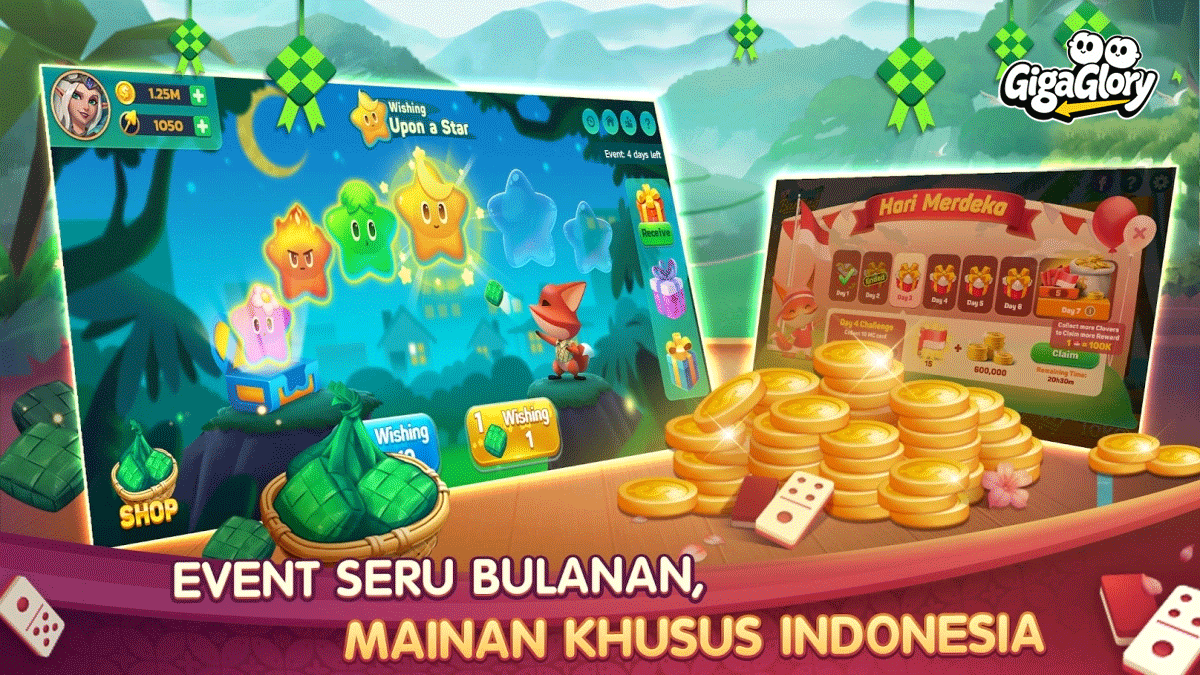
No! Many puzzle games are available for free or at a low cost on various platforms.
5. Can these games also be played collaboratively?

Yes, many puzzle games offer multiplayer modes, allowing for cooperative problem-solving.